
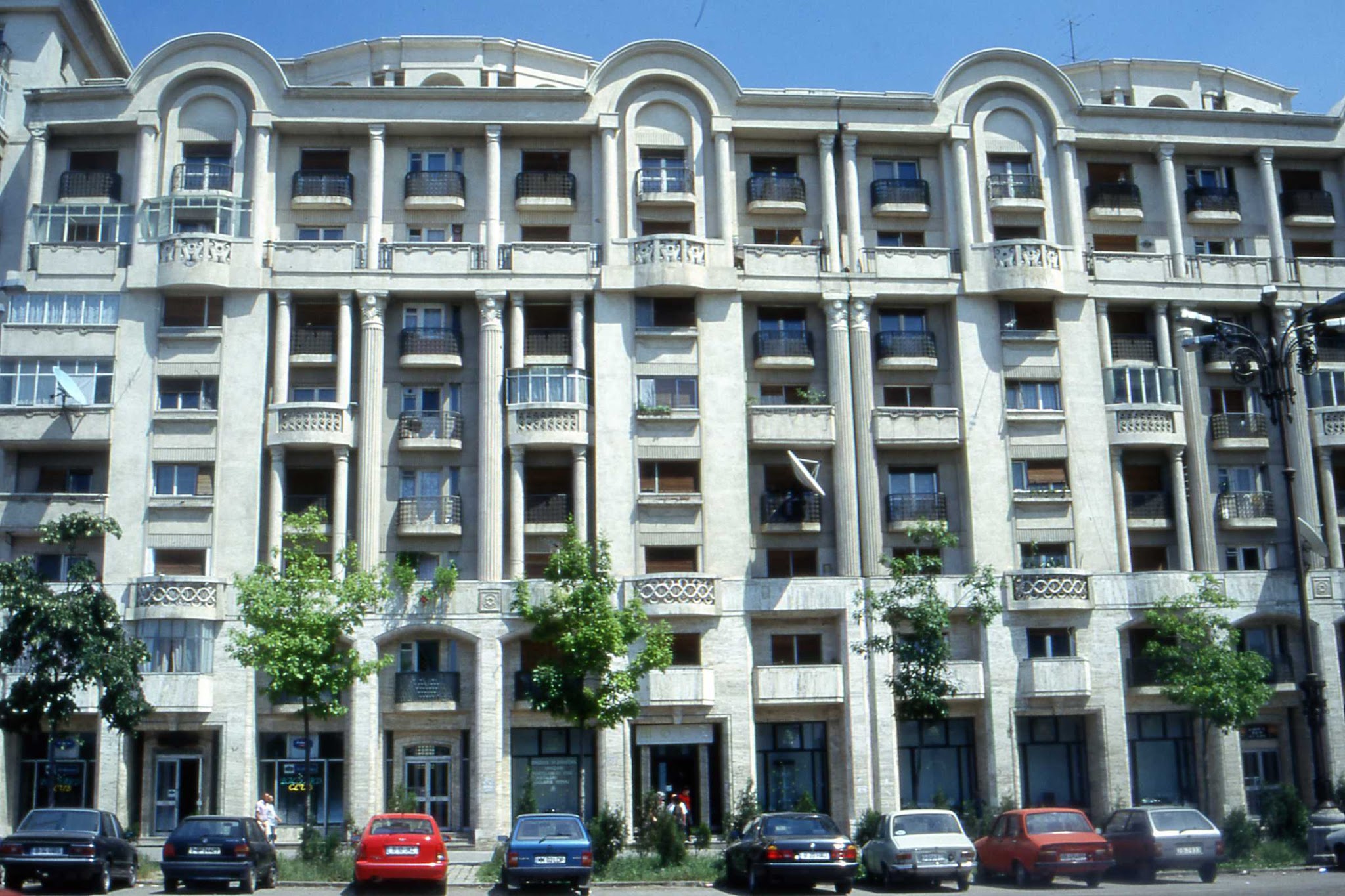
A report published on 11 October compared the cost of buying older and newer apartments in several Romanian cities. It illustrated how a previous annual building tax of 170 lei might rise to 306, 391 or 510 lei in different cases. Those examples are not a nationwide schedule. Local authorities set relevant rates, while the building’s category, tax base and documented details all matter. An owner must examine the actual municipality-specific assessment, rather than apply a multiplier from an article to every property.
The legislation also changed after the original increase. Law 239/2025 removed several earlier age-related adjustments, but Emergency Ordinance 9/2026, dated 27 February, reintroduced reductions in taxable value for qualifying older buildings. The reduction is 15% for a building aged from 50 to 100 years and 25% for a building more than 100 years old. Romania’s government and local tax offices subsequently explained those provisions. Describing all old apartments as having no age relief in 2026 would therefore omit a material qualification.
Before buying, ask for the current local tax assessment, verify the official building completion year and check whether substantial renovation changes the calculation. A taxable value is not identical to the price in a property listing. Plans for future market-value-based assessment should also be kept separate from rules that are in force today.
Sources and limits
Știrile Imobiliare ↗
Real-estate market comparison · 2026-10-11
Romanian Legislative Portal ↗
Emergency Ordinance 9/2026, primary law · 2026-02-27
Government of Romania via AGERPRES ↗
Government tax-policy statement · 2026-02-27
Constanța Local Tax Office via AGERPRES ↗
Municipal implementation notice · 2026-03-16
This is research, not investment, tax or legal advice. Definitions and observation dates remain attached to every claim.